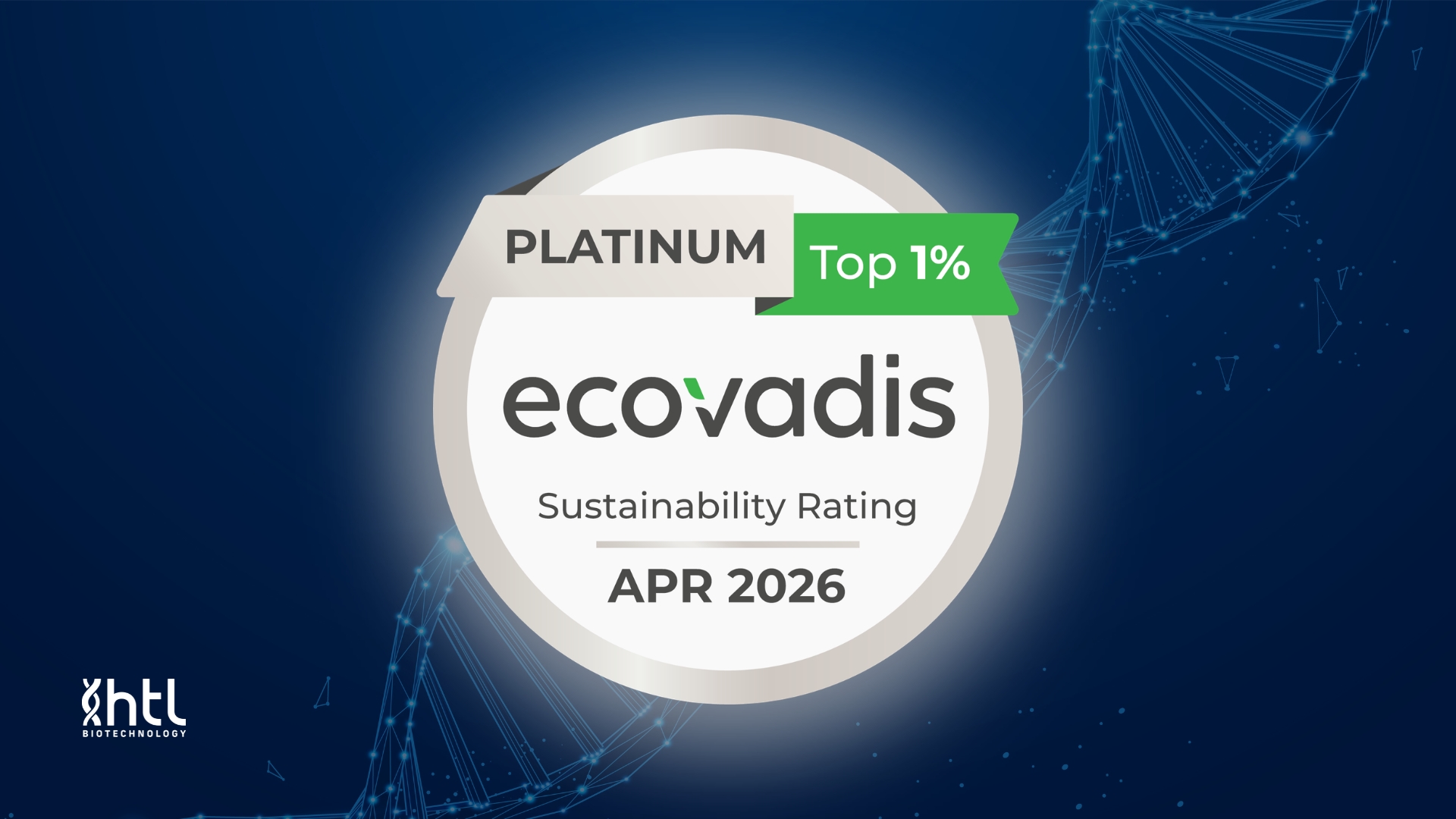
EcoVadis Platinum Level Achieved in 2026
We have renewed our EcoVadis assessment and achieved the Platinum level!


Hear from experts on why the quality and origin of raw materials are important for the efficacy and safety of treatments in aesthetic medicine:
In this first interview, Dr. Abs Settipalli, an aesthetic medicine and biotechnology expert, talks about various topics concerning raw materials in aesthetic medicine such as:
Next we have Dr. Tingsong Lim, a renowned aesthetic doctor from Malaysia, who talks about:
Finally, Dr. Nabila Azib, a leading aesthetic physician from Morocco, shares her valuable insights on:
With strong expertise in the field, HTL Biotechnology is a leader in the development and manufacturing of premium quality biopolymers for medical aesthetics
Click on the link or contact our team to learn more about our biopolymers.

Glaucoma is currently one of the leading causes of irreversible vision loss worldwide. This chronic disease is characterized by progressive damage to the optic nerve, with elevated intraocular pressure being the main modifiable risk factor for disease development and progression. Management relies on the daily administration of pressure-lowering treatments in the form of eye drops to slow disease progression. Although these treatments have demonstrated their efficacy, their long-term use remains challenged by a major issue: treatment adherence, due in part to the physiological limitations of conventional ocular drug administration.
In response to these limitations, the development of new ophthalmic drug delivery technologies aims to improve drug residence time in the eye and ensure a more consistent release of the active pharmaceutical ingredient. Among these innovations, ophthalmic inserts are emerging as a promising technology. [1]
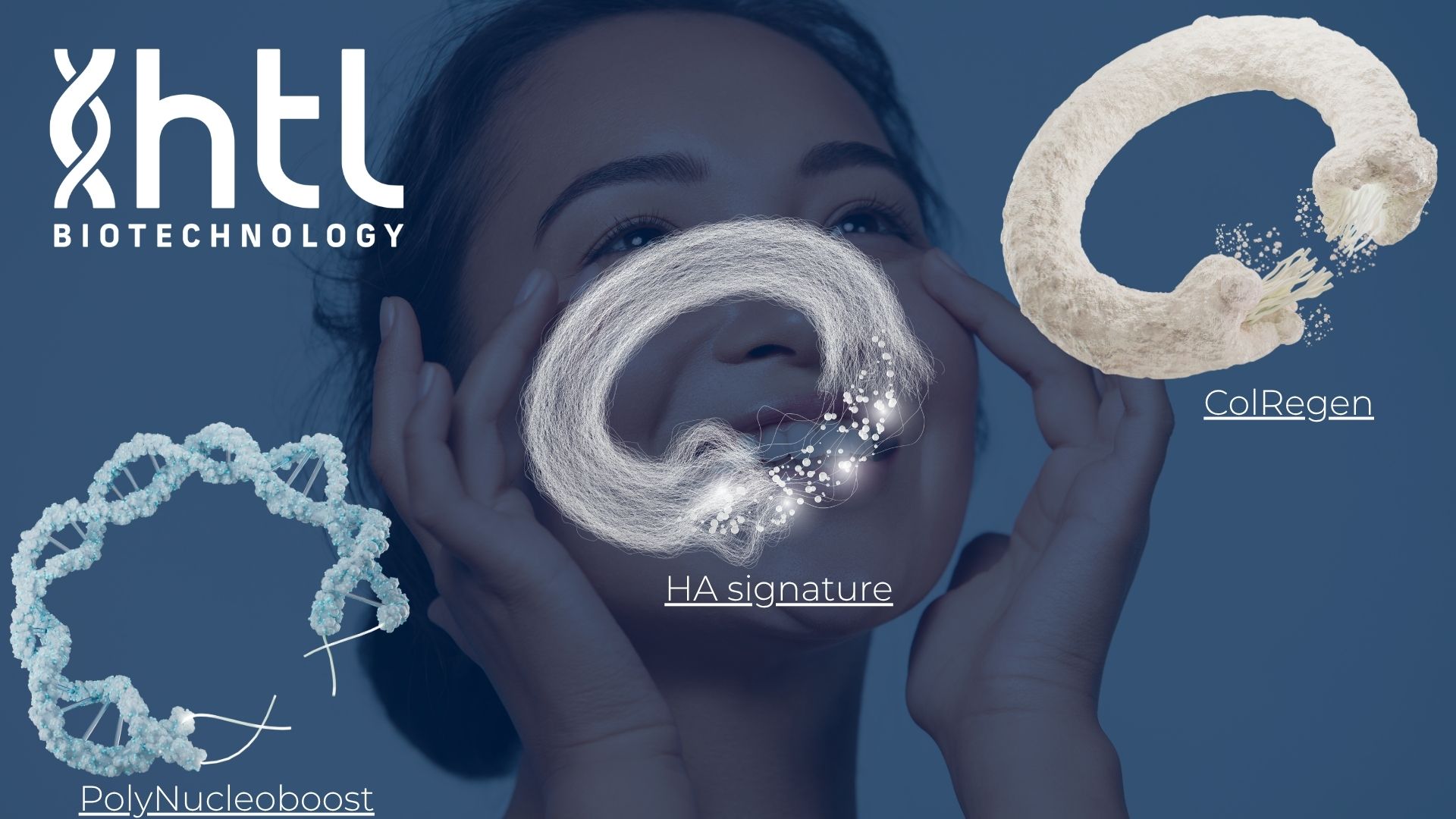
Skin quality has become one of the main focuses of modern aesthetic medicine. While traditional treatments have often aimed to correct visible signs of ageing, today’s regenerative approaches seek to improve the skin itself by supporting hydration, structure and tissue regeneration.
Hyaluronic acid (HA) has become the dominant biomaterial in injectable soft tissue augmentation, with millions of treatments performed annually worldwide. As a naturally occurring glycosaminoglycan composed of repeating disaccharide units of D-glucuronic acid and N-acetyl-D-glucosamine, native HA possesses exceptional biocompatibility, hygroscopicity, and viscoelastic properties. However, in its unmodified state, HA is rapidly degraded in vivo by endogenous hyaluronidases and reactive oxygen species, with a tissue half-life measured in hours to days. [1,2]
To overcome this limitation and create materials suitable for lasting soft tissue correction, HA must be chemically cross-linked. This process transforms a fluid polysaccharide solution into a structured hydrogel with tuneable mechanical and biological properties. The chemistry of cross-linking is, in many respects, the defining step that determines how a dermal filler will perform in the hands of a clinician and in the tissues of a patient. [2,3]