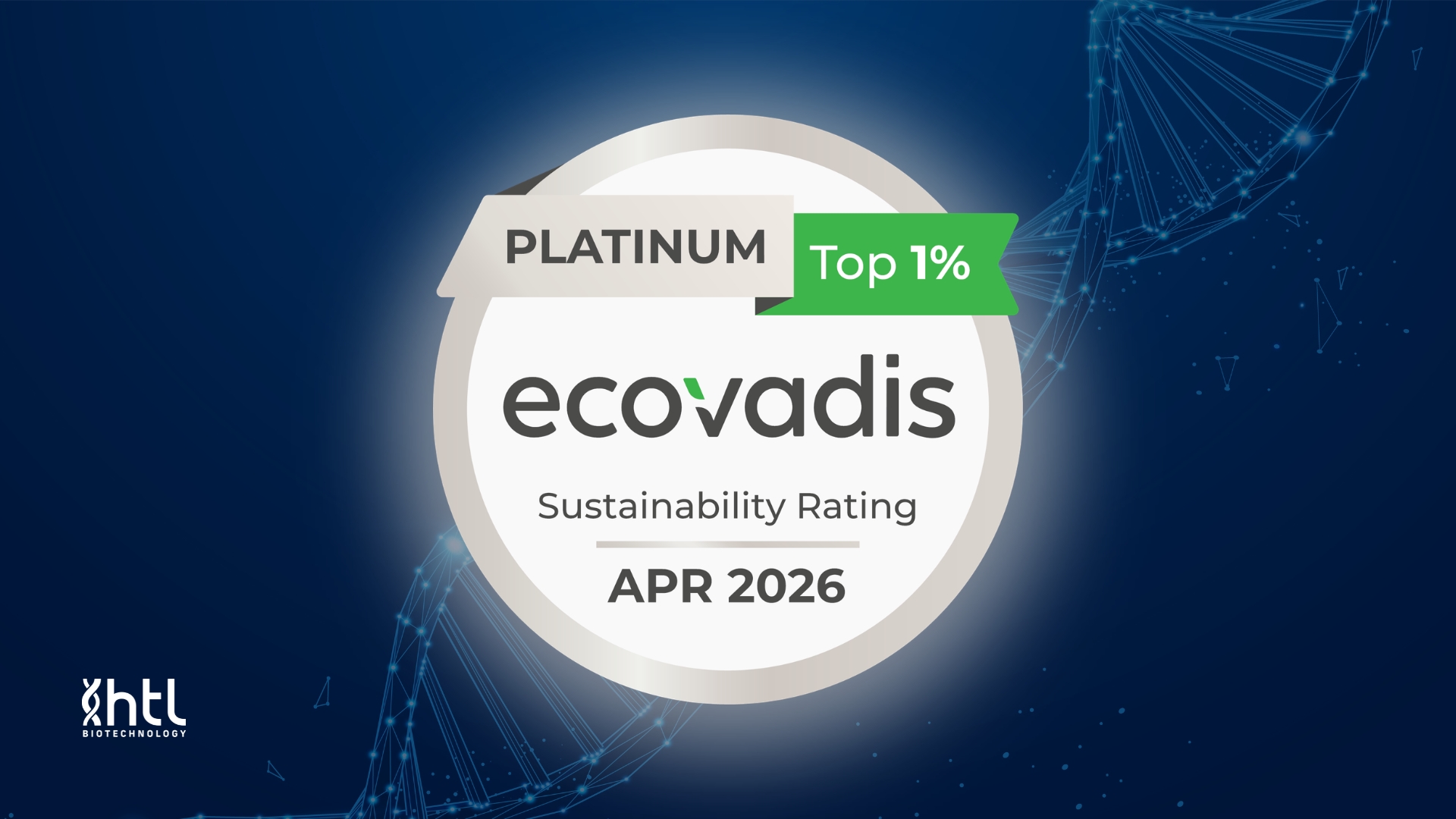
EcoVadis Platinum Level Achieved in 2026
We have renewed our EcoVadis assessment and achieved the Platinum level!

Our industrial site in Javené, Brittany, covers 64,000 m² and hosts four independent production units, supported by state-of-the-art R&D and quality control laboratories. Two units are dedicated to hyaluronic acid and two to polynucleotides, ensuring flexibility and maximum security of supply.
Industrial performance at HTL is measured not only in output, but also in impact. We design our operations to meet the most demanding pharmaceutical standards while embedding CSR commitments into daily practice, optimising processes, controlling emissions, and reducing resource use. This dual focus guarantees both reliability for our partners and Social Responsability.
Between 2021 and 2024, we’ve reduced Scope 1 and 2 greenhouse gas emissions per kilogram of hyaluronic acid by 27%, surpassing our 25% target. Over the same period, water consumption per kilogram of HA decreased by 34%.
These achievements are the result of continuous investment: new distillation columns that are 40% more energy-efficient, closed-circuit cooling systems, and eco-designed solutions such as bio-sourced oyster shell coatings on our buildings. All of this reflects our commitment to combining industrial innovation with sustainability.
Responsibility is a collective effort. All employees are trained in our ISO 14001-certified environmental management system, ensuring that continuous improvement is part of our culture. Beyond our walls, 97% of critical suppliers have signed our Sustainable Purchasing Charter, and 78% are actively committed to environmental initiatives. By aligning partners with our standards, we ensure sustainability at every stage, from raw material sourcing to product delivery.
We are focused on further reducing emissions and resource consumption. By 2028, we aim to halve volatile organic compound emissions. At the same time, we remain committed to reducing our water consumption and to our eco-design practices. These objectives reflect a long-term vision: industrial excellence that supports competitiveness, quality, and environmental responsibility.
Our CSR policy guides our decisions and is the foundation of how we operate. From optimizing cleaning parameters to investing in new production units, sustainability guides every step of our industrial model. Industrial performance at HTL is therefore defined by two dimensions: uncompromising pharmaceutical quality and a measurable reduction of our environmental footprint. This dual commitment ensures that our partners can grow with confidence, supported by a reliable and sustainable industrial platform.

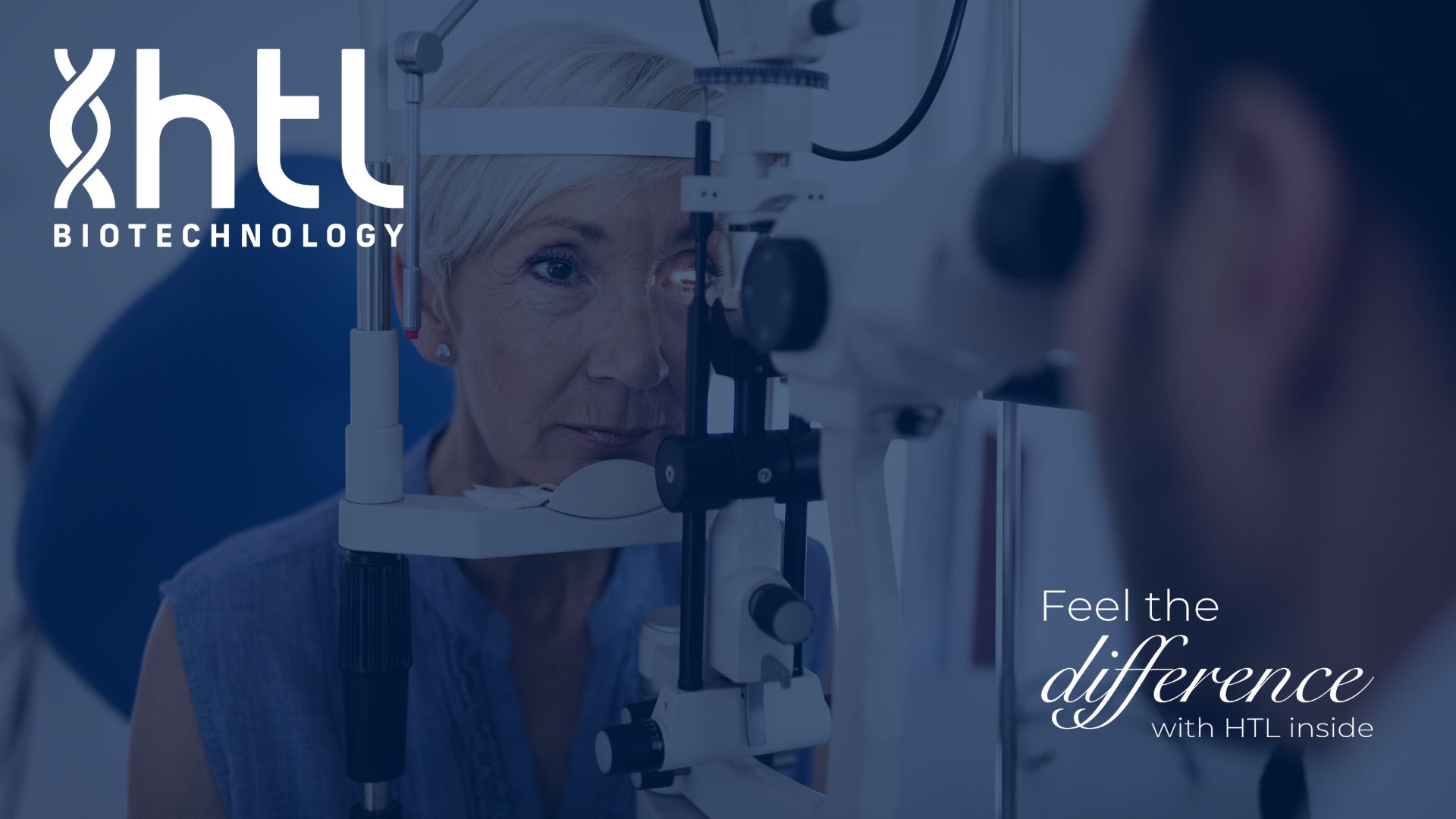
Glaucoma is currently one of the leading causes of irreversible vision loss worldwide. This chronic disease is characterized by progressive damage to the optic nerve, with elevated intraocular pressure being the main modifiable risk factor for disease development and progression. Management relies on the daily administration of pressure-lowering treatments in the form of eye drops to slow disease progression. Although these treatments have demonstrated their efficacy, their long-term use remains challenged by a major issue: treatment adherence, due in part to the physiological limitations of conventional ocular drug administration.
In response to these limitations, the development of new ophthalmic drug delivery technologies aims to improve drug residence time in the eye and ensure a more consistent release of the active pharmaceutical ingredient. Among these innovations, ophthalmic inserts are emerging as a promising technology. [1]
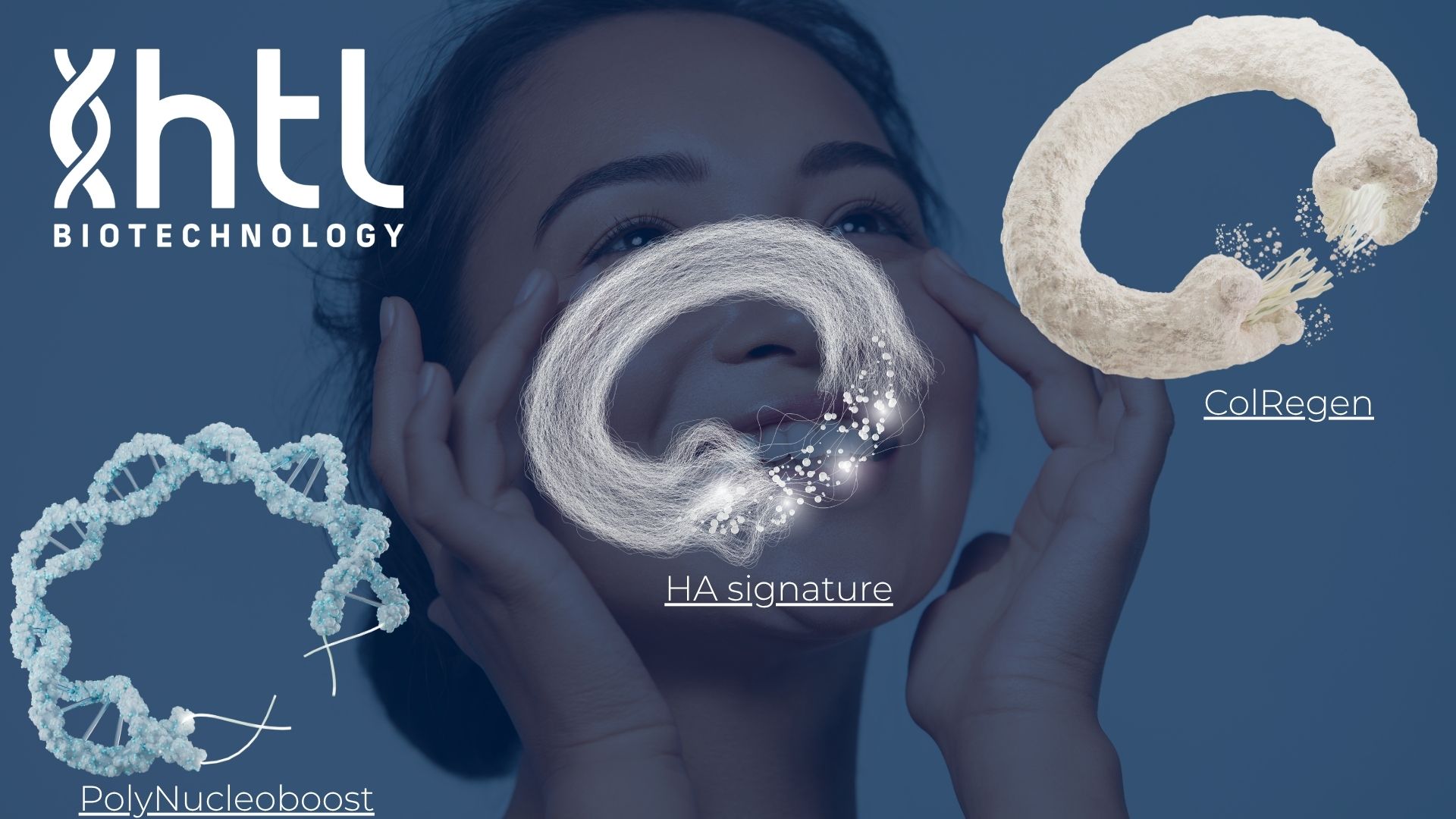
Skin quality has become one of the main focuses of modern aesthetic medicine. While traditional treatments have often aimed to correct visible signs of ageing, today’s regenerative approaches seek to improve the skin itself by supporting hydration, structure and tissue regeneration.
Hyaluronic acid (HA) has become the dominant biomaterial in injectable soft tissue augmentation, with millions of treatments performed annually worldwide. As a naturally occurring glycosaminoglycan composed of repeating disaccharide units of D-glucuronic acid and N-acetyl-D-glucosamine, native HA possesses exceptional biocompatibility, hygroscopicity, and viscoelastic properties. However, in its unmodified state, HA is rapidly degraded in vivo by endogenous hyaluronidases and reactive oxygen species, with a tissue half-life measured in hours to days. [1,2]
To overcome this limitation and create materials suitable for lasting soft tissue correction, HA must be chemically cross-linked. This process transforms a fluid polysaccharide solution into a structured hydrogel with tuneable mechanical and biological properties. The chemistry of cross-linking is, in many respects, the defining step that determines how a dermal filler will perform in the hands of a clinician and in the tissues of a patient. [2,3]