EcoVadis Platinum Level Achieved in 2026
We have renewed our EcoVadis assessment and achieved the Platinum level!

What Are Polynucleotides and Why Their Origin Matters
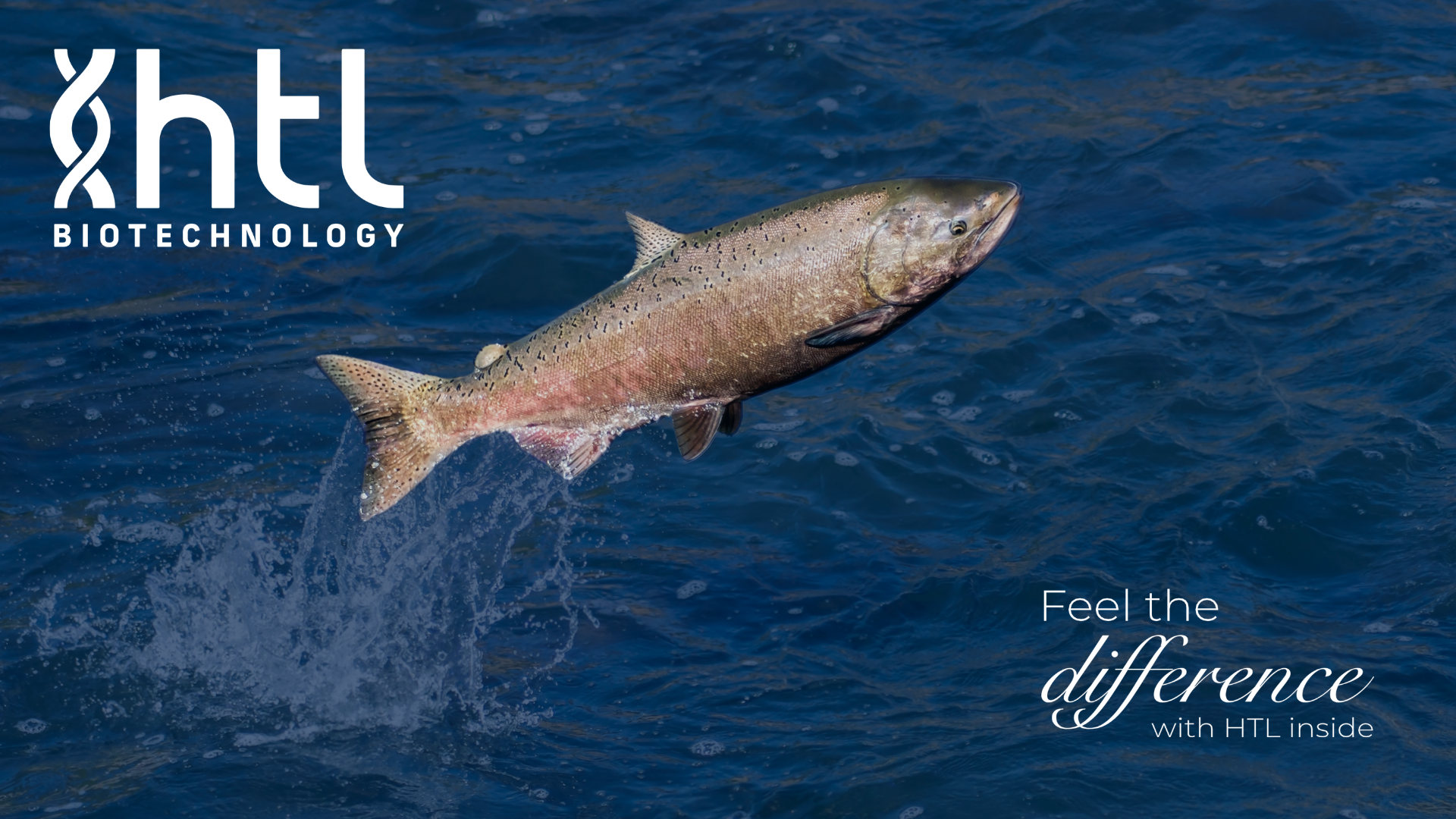
Polynucleotides are naturally derived DNA fragments, historically extracted from salmon milt.
While the basic chemical structure of single nucleotides (A, T, C & G) is identical regardless of their origin, their overall biological profile of the longer DNA fragments strongly depends on the initial source, the extraction process, and the level of purification.
For example, the DNA fragment composition from one host organism can be very different from that from another host organism. The source and extraction process could greatly influence the level of purity & potential presence of contaminants, as well as the overall perception of quality and sustainability
Similar GC content for more balanced recycle of PN
Wild chum salmon (Oncorhynchus keta) has a GC content (44%) comparable to the human genome’s GC content (41%), reflecting proximity between these two organisms. By contrast, other sources of polynucleotides such as plants (ginseng 34,7%) have different genomic organizations in terms of GC content(1–3)
Wild salmon versus farmed salmon: biological diversity and purity
One of the main factors that differentiate wild salmon from farmed salmon is their biological diversity and environmental exposure.
Wild salmon populations have evolved in complex and variable natural environments. This adaptation to changing conditions is associated with a high level of genetic diversity, reflecting natural evolution unconstrained by artificial selection. At HTL, wild salmon comes from the waters of Alaska, a region renowned for its pristine ecosystems. These salmon grow in their natural habitat and are naturally harvested & wild caught, being not exposed to antibiotics, antiparasitic treatments, GMOs or food additives. When DNA is extracted, this natural biological diversity results in a more heterogeneous profile of DNA fragments, often described as being closer to a physiological biological equilibrium. In addition, the absence of pharmaceutical or chemical treatments helps to reduce the risk of residues, promoting a high level of purity in the extracted polynucleotides.
In contrast, farmed salmon comes from selected lines raised in highly controlled environments. This standardization, essential for industrial aquaculture, leads to reduced genetic diversity and may involve exposure to antibiotics, antiparasitic agents or formulated feed. As a result, the extracted PDRN generally has a more homogeneous fragment profile, with more limited variability and potential(4–7)
Sustainability and Responsible Sourcing
Finally, the use of wild salmon naturally raises the question of sustainability. Within a responsible sourcing approach, the salmon milt used by HTL Biotechnology for polynucleotide extraction is obtained as a co-product of the food supply chain, rather than from dedicated harvesting. The salmon is caught for its flesh, intended for human consumption, and the biological material is valorized according to a full-resource utilization logic.
This approach is part of a pragmatic sustainability vision, reconciling:
In a rapidly expanding polynucleotide market, the question is no longer limited to what polynucleotide does, but rather where it comes from and how it is produced. Polynucleotides derived from wild salmon stand out through a coherent set of characteristics: structural proximity to human tissues, natural biological diversity, high purity levels, and responsible sourcing.
BIBLIOGRAPHY


Glaucoma is currently one of the leading causes of irreversible vision loss worldwide. This chronic disease is characterized by progressive damage to the optic nerve, with elevated intraocular pressure being the main modifiable risk factor for disease development and progression. Management relies on the daily administration of pressure-lowering treatments in the form of eye drops to slow disease progression. Although these treatments have demonstrated their efficacy, their long-term use remains challenged by a major issue: treatment adherence, due in part to the physiological limitations of conventional ocular drug administration.
In response to these limitations, the development of new ophthalmic drug delivery technologies aims to improve drug residence time in the eye and ensure a more consistent release of the active pharmaceutical ingredient. Among these innovations, ophthalmic inserts are emerging as a promising technology. [1]
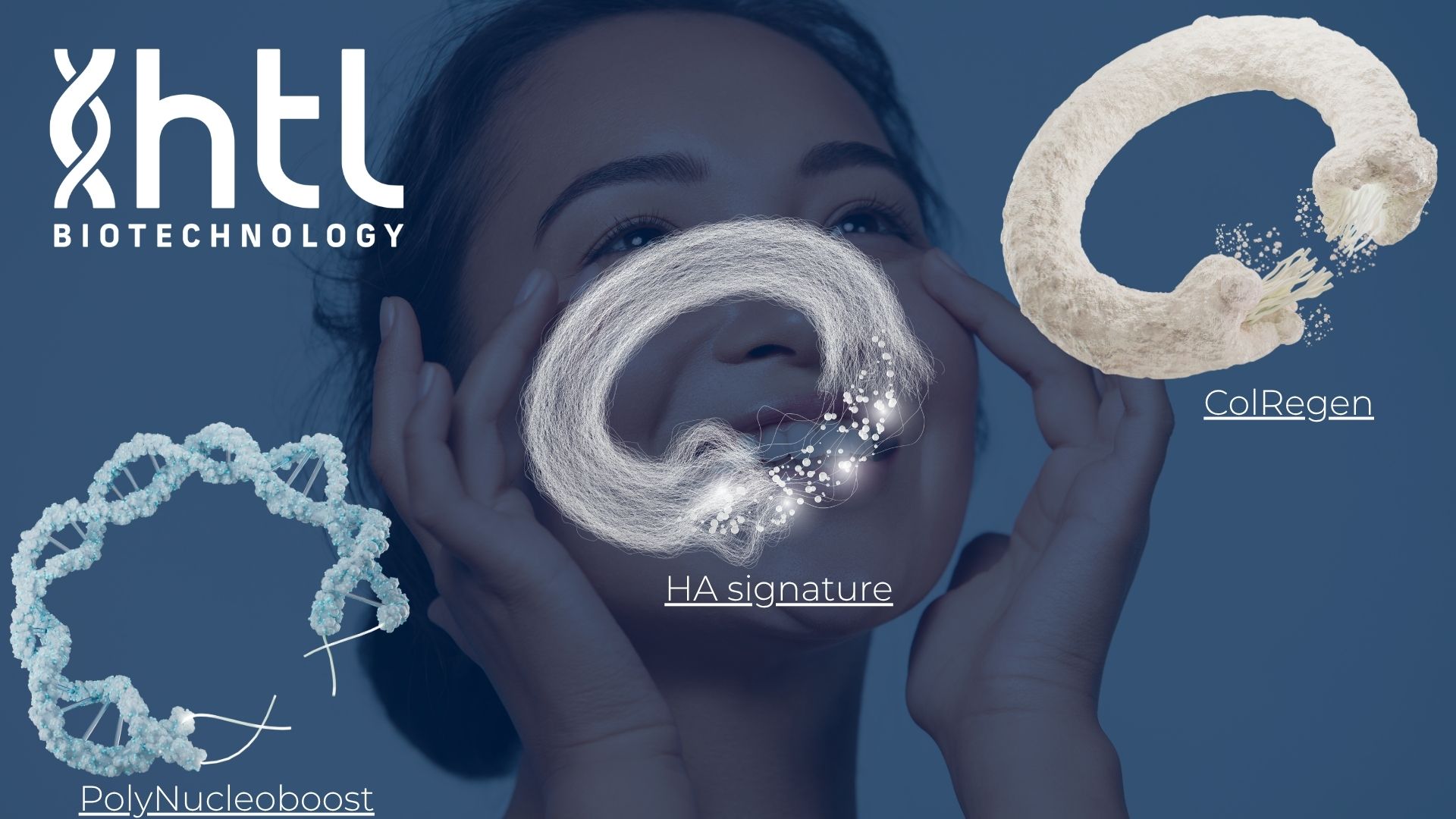
Skin quality has become one of the main focuses of modern aesthetic medicine. While traditional treatments have often aimed to correct visible signs of ageing, today’s regenerative approaches seek to improve the skin itself by supporting hydration, structure and tissue regeneration.

Hyaluronic acid (HA) has become the dominant biomaterial in injectable soft tissue augmentation, with millions of treatments performed annually worldwide. As a naturally occurring glycosaminoglycan composed of repeating disaccharide units of D-glucuronic acid and N-acetyl-D-glucosamine, native HA possesses exceptional biocompatibility, hygroscopicity, and viscoelastic properties. However, in its unmodified state, HA is rapidly degraded in vivo by endogenous hyaluronidases and reactive oxygen species, with a tissue half-life measured in hours to days. [1,2]
To overcome this limitation and create materials suitable for lasting soft tissue correction, HA must be chemically cross-linked. This process transforms a fluid polysaccharide solution into a structured hydrogel with tuneable mechanical and biological properties. The chemistry of cross-linking is, in many respects, the defining step that determines how a dermal filler will perform in the hands of a clinician and in the tissues of a patient. [2,3]